New Business Startup Lists
Reach Newly Formed Businesses Before They Choose Your Competitors
What happens in the first ninety days after a business is formed?
Everything. The owner is making every vendor decision for the first time. They’re choosing their business bank. They’re selecting their accounting software. They’re finding their insurance provider. They’re picking their payment processor. They’re deciding on their phone system, their internet provider, their office supplies vendor. They’re establishing relationships with service providers that may last for years.
This is the window when businesses are most receptive to new vendors—because they don’t have any vendors yet.
What does it feel like to reach a business during this decision-making window versus six months later when they’ve already chosen everyone?
When you market to established businesses, you’re fighting existing relationships. You’re asking them to switch from providers they already use. You’re overcoming inertia and the hassle of changing vendors. You’re competing against “we’re happy with who we have” even when they’re not really happy—they just don’t want to deal with the disruption of switching.
But when you reach new businesses during their first ninety days? They’re actively seeking providers. They’re comparing options. They’re making decisions right now, not “maybe someday.” They’re not loyal to anyone yet because they haven’t established any relationships.
How long have you been marketing to established businesses that already have all their vendors in place? How many times have you heard “we already have someone for that”?
What has that done to your conversion rates? To your sales team’s morale when they’re constantly fighting incumbent vendors? To your cost per acquisition when you’re spending time trying to convince satisfied customers to switch?
Maybe you’ve started believing that business services always require extensive relationship-building before closing. Maybe you’re accepting that most prospects aren’t in buying mode. Maybe you’re watching competitors grow faster while your team struggles to overcome the “we already have a vendor” objection.
But new businesses exist. They’re forming every day. They need vendors right now. You’re just not reaching them during their decision-making window.
New Business Owners Are in Active Buying Mode—And That Changes Everything
Think about the mindset of someone who just formed a business. They’re excited, motivated, and taking action. They’re not procrastinating—they’re making decisions quickly because they need to get operational. They’re researching solutions, comparing providers, and signing contracts. They’re not just thinking about starting a business someday—they’ve already filed the paperwork, invested money, and committed to making it work. They’re in execution mode, not consideration mode.
What does that mean for your sales approach?
It means new business owners are receptive to outreach because they’re actively seeking vendors. They’re not annoyed by sales calls—they need information to make decisions. They’re not brushing you off with “maybe later”—they’re evaluating options right now. They’re not comparing you to their current provider—they don’t have one yet. They’re not resistant to change—they’re in the middle of changing everything by starting a business.
When you market to all businesses equally, you’re spending the same effort on established businesses that aren’t buying and new businesses that are actively making vendor decisions. But when you target exclusively new businesses during their formation period, suddenly you’re speaking to people who need exactly what you offer and are ready to make decisions immediately.
The Timing Factor That Changes Everything
The age of a new business determines their receptivity and needs. Businesses formed within thirty days are in urgent setup mode, making rapid decisions to get operational. Businesses formed thirty to ninety days ago are still establishing core vendor relationships and refining their initial choices. Businesses formed ninety to one hundred eighty days ago are settling into operations but may still be open to switching if initial vendors aren’t working out. After six months, they’ve established routines and relationships—the window has closed.
How much easier is B2B sales when you’re reaching businesses during their active decision-making period instead of after they’ve already chosen all their vendors?
You’re not asking them to switch from providers they’ve used for years. You’re presenting your solution during the exact window when they’re comparing options and making decisions. You’re not overcoming loyalty to existing vendors—you’re competing on merit because they haven’t established any loyalties yet. You’re not fighting inertia—you’re connecting with businesses that are actively taking action and making changes.
The conversation shifts from convincing satisfied customers to switch vendors to simply being one of the options that new business owners evaluate during their natural decision-making process.
Stop Fighting Incumbent Vendors—Reach New Businesses Making Their First Vendor Decisions
New business startup lists give you something generic business directories can’t: precision targeting based on formation date that identifies businesses during their critical decision-making window before they’ve established vendor relationships. These aren’t just businesses—they’re newly formed companies with owners actively seeking providers, making rapid decisions, and establishing relationships that may last for years.
What would it do to your conversion rate if every business you contacted was formed within the last ninety days?
Think about what changes when your entire outreach focuses exclusively on new businesses. Your business services offers reach owners who are actively seeking providers, not established businesses that already have vendors. Your software demos connect with decision-makers comparing options right now, not prospects who might consider switching “someday.” Your competitive pricing resonates with startups making budget-conscious initial decisions. Your onboarding process appeals to businesses that need to get operational quickly, not established companies that dread the disruption of switching vendors.
You’re not wasting time on businesses that formed five years ago and have all their vendor relationships locked in. You’re connecting with new businesses for whom your outreach arrives at exactly the right moment—when they’re actively making the decisions you can influence.
What Does Success Look Like with New Business Targeting?
Imagine launching a campaign knowing that every business you’re reaching was formed within the last sixty days. How would that change your messaging? Your urgency? Your results?
Instead of starting conversations with “Are you happy with your current provider?” and hearing “yes” or “we’re not looking to switch,” you’re asking “Have you chosen your provider yet?” and hearing “we’re still comparing options.” Instead of overcoming loyalty to incumbent vendors, you’re competing on merit with other providers they’re evaluating. Instead of waiting months for prospects to consider switching, you’re closing deals quickly because they need to make decisions now to get operational.
How would that shift change your sales cycle length? Your close rate? How you feel about B2B sales?
When you’re reaching new businesses during their formation period—owners who are actively seeking vendors, making rapid decisions, and haven’t established any loyalties yet—B2B sales stops feeling like fighting incumbent vendors and starts feeling like being discovered by motivated buyers who need exactly what you offer right now.
Why Choose Our New Business Startup Lists
Ready to Reach New Businesses Before Your Competitors Do?
Stop fighting incumbent vendors at established businesses. Start connecting with newly formed companies whose owners are actively making vendor decisions right now and haven’t established any loyalties yet.
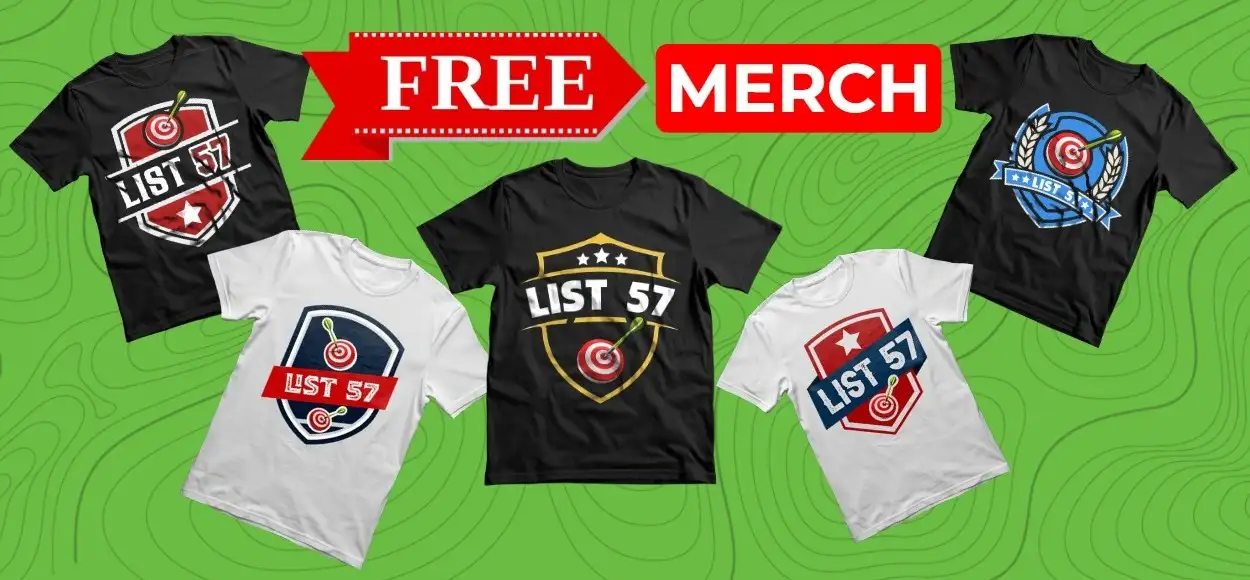
Buy Now Request Free QuoteChoose Your FREE Merch with Your Purchase
Here’s something most data providers don’t offer: premium, sporty merchandise—absolutely free with your order. Pick your favorite design and style. It’s just one more way working with List57 feels different.